
Progressive jackpots are often advertised as the fastest path to life-changing wins in online casinos. The numbers are large, the counters keep climbing, and the promise feels different from standard slot payouts. For many players, however, the mechanics behind progressive jackpots remain unclear.
Understanding how progressive jackpots actually work helps players make informed decisions rather than emotional ones. These games are not inherently better or worse than regular slots, but they follow different rules that affect cost, risk, and long-term expectations.
What a Progressive Jackpot Really Is
A progressive jackpot is a prize pool that increases over time as players place bets. A small percentage of each qualifying wager contributes to the jackpot total. The prize continues to grow until a player triggers the specific winning condition.
Progressive jackpots can be tied to a single game or shared across multiple casinos and platforms. The wider the network, the faster the jackpot grows, but the harder it becomes to win.
Importantly, progressive jackpots are funded by players, not casinos. The casino earns its edge through normal gameplay, while the jackpot is a redistribution of collected contributions.
Local vs Networked Progressives
Local progressive jackpots are linked to a single game or casino. They grow more slowly but reset more often due to smaller player pools. These jackpots are easier to track and usually have lower maximum payouts.
Networked progressives connect the same game across many casinos. Each spin from any participating player contributes to the same jackpot pool. This structure creates massive headline numbers.
The trade-off is probability. Networked jackpots pay less frequently, and players compete with a much larger audience for the same prize.
How Progressive Jackpots Are Triggered
Winning a progressive jackpot is not random in the same way as base game payouts. Each jackpot has predefined trigger rules embedded in the game logic. These rules are often misunderstood.
Some jackpots require a specific symbol combination, while others trigger randomly once a qualifying bet is placed. The rules are fixed, even if the jackpot amount changes.
Players often assume every spin has an equal chance to win the jackpot. In reality, the odds are tied to the game’s design and bet size requirements.
Bet Size Requirements
Most progressive jackpots require a minimum bet to qualify. If you bet below that threshold, your spin may still win regular payouts but will not trigger the jackpot.
This is a common mistake among casual players. They see the jackpot counter but unknowingly exclude themselves by betting too low.
Before playing, always check:
- Minimum qualifying bet
- Whether all paylines must be active
- If bonus spins count toward jackpot eligibility
Ignoring these details leads to false expectations and frustration.
How Progressive Jackpots Affect RTP and Volatility
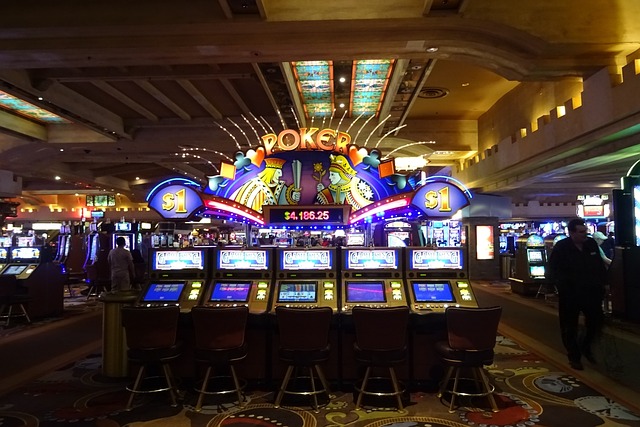
Progressive jackpots change how RTP and volatility work in practice. A portion of each bet is diverted into the jackpot pool, which reduces base game payouts.
This does not mean the game is unfair. It means value is shifted from frequent small wins to rare large wins. Over time, most players fund jackpots they will never win.
Progressive slots are high-volatility by design. Sessions tend to be longer, with fewer meaningful wins and higher bankroll swings.
| Game Type | Volatility | Win Frequency | Jackpot Potential |
|---|---|---|---|
| Regular slots | Low–Medium | High | None |
| Local progressives | Medium–High | Medium | Moderate |
| Network progressives | Very High | Low | Extremely High |
Players seeking steady gameplay usually prefer non-progressive slots. Players chasing rare outcomes accept higher variance.
When Progressive Jackpots Make Sense
Progressive jackpots make sense when expectations align with reality. They are not optimal for bankroll growth or consistent returns. They are optional high-risk entertainment products.
Players with limited budgets often underestimate how quickly qualifying bets drain funds. Without strict session limits, progressive play becomes unsustainable.
Progressive jackpots may be reasonable if:
- You treat the jackpot as a bonus, not a goal
- You can afford long losing streaks
- You understand the odds are extremely low
- You are playing for entertainment, not income
They are not suitable for strategy-based play or advantage seeking.
Common Myths About Progressive Jackpots
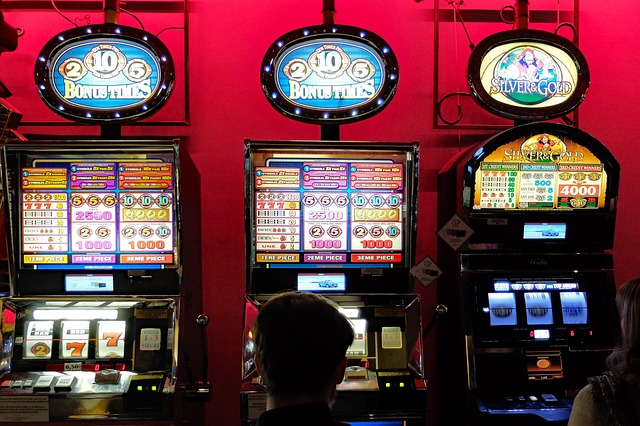
Many myths persist because jackpot marketing emphasizes outcomes rather than mechanics. These misconceptions lead to poor decisions.
Common myths include:
- “The jackpot is due to hit soon”
- “Someone must win eventually, so odds improve”
- “Playing longer increases your chances”
- “Jackpot size affects hit probability”
In reality, each qualifying spin is independent. Larger jackpots are more attractive but not easier to win.
Progressive jackpots reward patience and luck, not persistence or timing.
Final Thoughts for Players
Progressive jackpots offer excitement, not efficiency. They trade frequent payouts for extreme upside, funded collectively by players. Understanding this trade-off is essential.
Players who approach progressive jackpots with clear limits and realistic expectations enjoy them more and lose less. Those chasing the jackpot itself often misunderstand the product.
Knowledge does not increase your odds, but it does protect your bankroll.